

Sustainability in Africa is not an abstract concept — it’s an urgent necessity and an enormous opportunity. The continent contributes less than 4% of global carbon emissions yet faces some of the most severe consequences of climate change. At the same time, Africa holds the keys to the global energy transition: abundant solar radiation, critical minerals for batteries, and vast potential for carbon sequestration. How the continent navigates sustainability will shape not just Africa’s future, but the planet’s.
Africa’s Climate Reality
Africa is warming 1.5 times faster than the global average. The consequences are already visible: prolonged droughts in the Horn of Africa, catastrophic flooding in West Africa, rising sea levels threatening coastal cities, and shifting rainfall patterns disrupting agriculture.
The IPCC projects that Africa could lose 3-10% of GDP by 2050 due to climate change impacts. Agricultural yields in some regions could decline by 20-30% without adaptation measures. Climate migration is already affecting millions of people.
- Temperature: Warming 1.5x faster than global average
- Agriculture: 20-30% yield decline projected in vulnerable regions
- Water stress: 250 million Africans face water scarcity by 2030
- Coastal risk: 65% of Africa’s population lives in climate-vulnerable areas
- Emissions share: Less than 4% of global CO2, yet highest vulnerability
Renewable Energy: Africa’s Greatest Opportunity
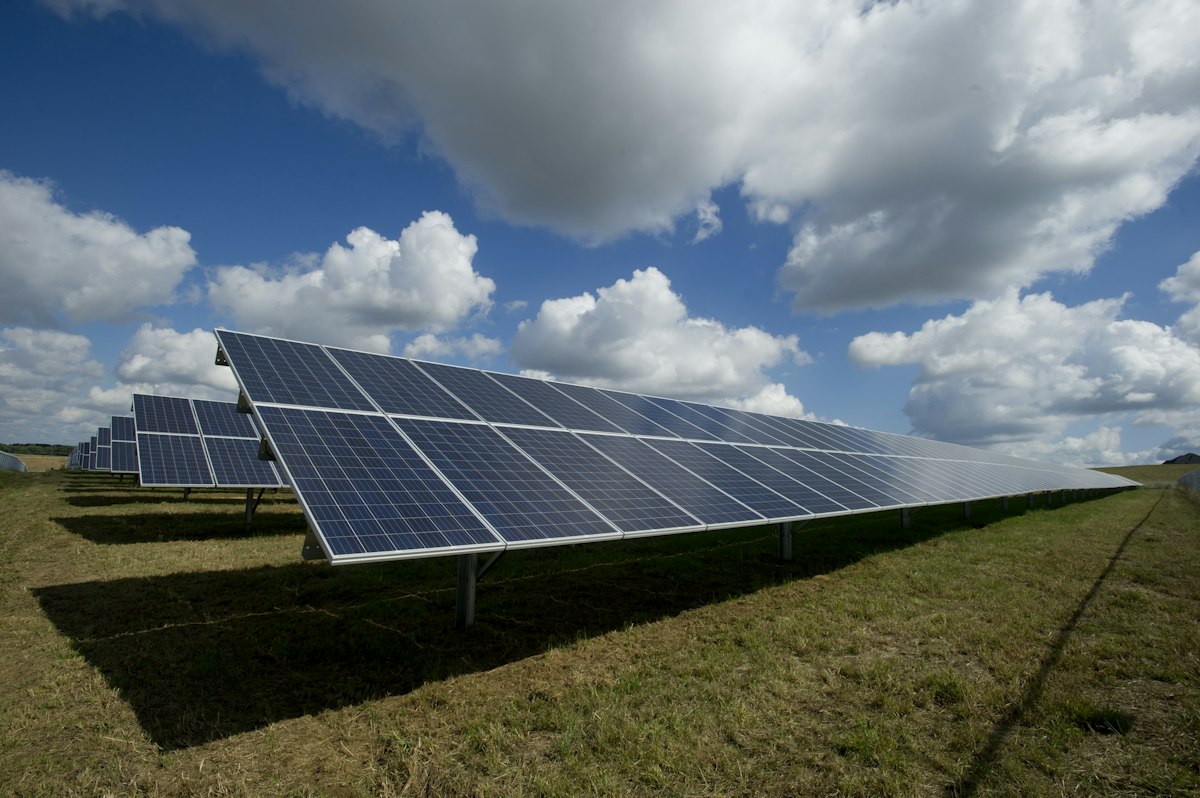
Africa receives more solar radiation than any other continent. The potential is staggering — the Sahara alone could theoretically power the entire world. In practice, Africa’s renewable energy sector is growing rapidly from a low base.
Kenya generates over 90% of its electricity from renewables (geothermal, hydro, wind, solar). Morocco’s Noor-Ouarzazate solar complex is one of the world’s largest. South Africa is rapidly expanding wind and solar to replace aging coal plants.
Off-grid solar is transforming rural Africa. Companies like M-KOPA, d.light, and Sun King have brought electricity to millions of homes that grid power may never reach. Pay-as-you-go models financed through mobile money make solar affordable for families earning less than $2 per day.
The Critical Minerals Advantage
Africa holds 60% of the world’s cobalt (essential for lithium-ion batteries), significant deposits of lithium, manganese, and graphite, and 90% of global platinum reserves. These minerals are essential for electric vehicles, battery storage, and renewable energy technology.
The challenge is ensuring that mineral wealth translates into sustainable development rather than the extractive patterns of the past. Countries like the DRC, Zambia, and Zimbabwe are developing local processing capacity to capture more value domestically.
Conservation and Biodiversity
Africa is home to the world’s most iconic wildlife and some of its most biodiverse ecosystems. Conservation efforts are evolving from exclusionary fortress models to community-based approaches that align environmental protection with local livelihoods.
Community conservancies in Kenya, Namibia, and Tanzania are demonstrating that wildlife conservation can drive economic development. Carbon credit programs are creating new revenue streams for forest conservation. Marine protected areas are expanding along Africa’s 30,000 km coastline.
Green Innovation and Climate Tech
African entrepreneurs are building climate solutions tailored to local contexts. From clean cooking technology (replacing charcoal and wood fuel) to waste-to-energy systems, from sustainable agriculture platforms to carbon credit marketplaces — Africa’s green innovation ecosystem is growing rapidly.
Notable examples include BURN Manufacturing (clean cookstoves, Kenya), Sanergy (waste-to-value, Kenya), and SunCulture (solar-powered irrigation). Climate tech investment in Africa exceeded $1 billion in 2025 for the first time.
Key Takeaways
- Africa contributes less than 4% of emissions but faces the greatest climate impact
- Renewable energy potential is enormous — solar, wind, geothermal, hydro
- Critical minerals give Africa strategic importance in the global energy transition
- Community-based conservation is aligning biodiversity protection with development
- Climate tech investment is growing, with African entrepreneurs building local solutions
Sustainability in Africa is both a challenge and a defining opportunity. Learn more in our African sustainability report or explore the future of Africa.


