
In early October 2026, a free browser game called Lagos Life became one of the most talked-about things on the Nigerian internet. Its developer says it passed 1 million players within four days of launching on Independence Day.
The game does not have blockbuster graphics or a big studio behind it. What it has is Lagos: the rent, the hustle, the traffic, the owambe energy and the nightlife. That is the real product. And it says a lot about where African culture online is heading.
Stuff.Africa is not affiliated with Lagos Life or its developer. Figures are as reported in early October 2026.
A game built on rent, hustle and nightlife
At its core, Lagos Life is a life simulation. You create a character, find work, pay rent and meet other players in a shared virtual city. According to Arise News, players start life either as “Nepo”, with family money behind them, or “Lapo”, struggling from day one.
That one design choice is pure Lagos. Everyone in the city knows the gap between those who can afford a Lekki duplex and those squeezing into a single room in Ojuelegba. The game turns that daily reality into a mechanic, and players find it both painfully accurate and very funny.
Then there is the nightlife. Arise reported that recognisable spots such as Quilox and Amala Shitta appear in the game, along with clubs playing music from emerging Nigerian artists. For many players, walking a virtual character into a familiar place is the moment the game clicks.
None of these ideas are new to games. The Sims has had jobs, rent and relationships for over two decades. What is new is seeing them through a Lagos lens.
Why local beats generic
Recognition is a growth engine
People share what they recognise. A screenshot of a character broke after paying rent, or stuck in a virtual go-slow, needs no explanation for a Nigerian audience. It becomes a meme, a WhatsApp status, a post on X. Each share pulls in more players.
Global games rarely get this reaction in Africa, because players do not see themselves in them. A generic city is just a backdrop. Lagos is a character.
It came right after Lagos Run
Lagos Life did not appear in a vacuum. A few days earlier, on 26 September, a browser game called Lagos Run went viral by letting players drive a danfo through chaotic traffic. Techpoint Africa reported it was made by Opeyemi Adeniran, a Berlin-based frontend engineer, and drew tens of thousands of players.
Two hits in one week, both built around the same city, is not a coincidence. It is evidence of pent-up demand for digital experiences that feel like home.
Culture lowers the cost of marketing
Neither game ran big ad campaigns to reach their audiences. The culture did the marketing. When a product reflects how people actually live, they promote it themselves.
Even the business model follows the city. Lagos Life rents virtual billboards inside its Lagos to real advertisers, just as real brands rent billboards along real Lagos roads. TechBrief Africa explores this in How Lagos Life Makes Money: The Virtual Billboard Model Explained.
The diaspora angle
There is another layer to this story. Techpoint Africa describes the developer of Lagos Life as a UK-based Nigerian software developer, known online as Eliy. Lagos Run’s creator is based in Berlin.
Both games were built by Nigerians abroad, looking back at home. That distance can sharpen the eye. When you miss a place, you notice what makes it special: the sounds, the slang, the chaos and the warmth.
It also shows how the African diaspora is shaping culture online. Diaspora creators often have access to global tools, networks and payment systems, combined with a deep emotional connection to home. When they build for home audiences, the results can travel fast in both directions.
Because both games run in a web browser, a player in Surulere and a player in South London can be in the same virtual Lagos at the same time. No app store region locks, no separate downloads. The city becomes a shared space for Lagosians wherever they are.
What it means for African creators
1. Specific beats universal. The more precisely you capture a place, the more people from that place will love it. And the more interesting it becomes to outsiders, too.
2. Everyday life is content. Rent, transport, money stress and nightlife are not boring. They are the stories people live every day, and they make great games, films, music and social content.
3. The browser is a distribution channel. For creators without big budgets, a link that works on any phone is a powerful launch tool.
4. Diaspora and home can build together. Some of the most exciting African digital culture will come from collaboration between people at home and abroad.
5. Build with respect. Using real places and real culture comes with responsibility. The best local products celebrate a city without punching down at the people who live there.
The bigger picture
Lagos Life may fade or it may grow. Viral games are unpredictable. But the lesson is already clear: African cities, with all their energy and contradictions, are not just settings. They are products, brands and stories that millions of people want to engage with.
For a long time, Africans online have consumed culture made elsewhere. Lagos Life is another sign that the flow is changing. The next big hit might be set in Accra, Nairobi or Kinshasa. Whoever builds it will have learned from what Lagos did first.
Sources
- Techpoint Africa: Lagos Life passes 1 million players
- Arise News: How Lagos Life is capturing young Nigerians online
- BusinessDay: Lagos Life crosses 1m players
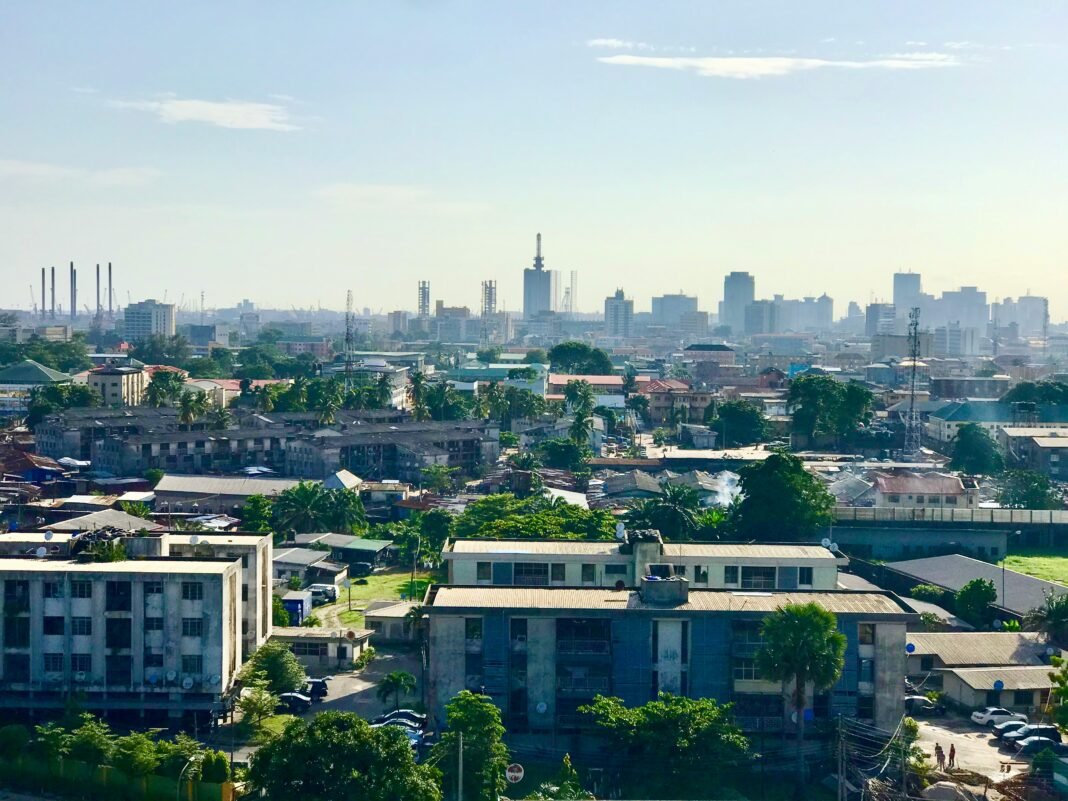
Featured image: Photo by Obinna Okerekeocha on Unsplash.


