

African society is undergoing a profound transformation. Across the continent, social indicators are improving faster than at any point in history. Literacy rates are rising, maternal mortality is declining, and a new generation of educated, connected young Africans is reshaping what it means to live on the continent. Yet challenges persist — inequality, access to services, and the pace of change vary dramatically between and within countries.
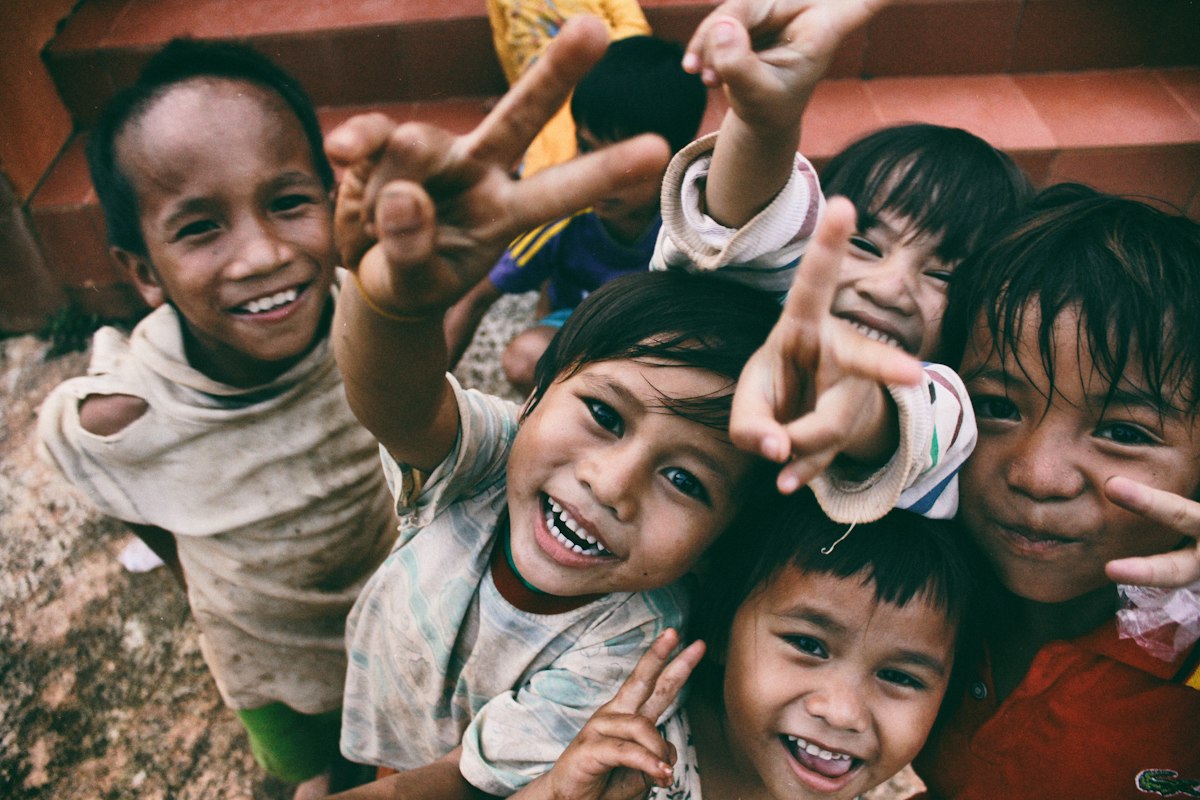
Education: Africa’s Biggest Investment
Education enrollment has surged across Africa. Primary school enrollment exceeds 90% in most countries, up from 60% in 2000. Secondary enrollment has reached 50%, though quality and completion rates remain uneven.
Africa now has over 2,000 universities and higher education institutions. Countries like Rwanda, Ethiopia, and Senegal are investing heavily in STEM education, recognizing that technology skills are essential for economic competitiveness.
- Primary enrollment: 90%+ in most countries
- Secondary enrollment: 50% continent-wide (up from 30% in 2010)
- Tertiary enrollment: 12% (up from 6% in 2010)
- Gender parity: Achieved at primary level in 35+ countries
- Key challenge: Learning outcomes — many students complete school without basic literacy
The COVID-19 pandemic accelerated edtech adoption, and platforms like uLesson, Eneza Education, and African Leadership University are expanding access to quality education. But the digital divide means rural students often lack the connectivity needed to benefit.
Healthcare Progress and Challenges
Africa’s health indicators have improved dramatically. Life expectancy has increased from 52 years in 2000 to 65 years in 2025. Child mortality has halved. HIV treatment coverage has expanded massively, with over 80% of people living with HIV now on antiretroviral therapy in many countries.
However, the continent still faces a severe healthcare workforce shortage. Africa has 2 doctors per 10,000 people, compared to 35 in Europe. This gap is driving innovation in telemedicine, task-shifting, and community health worker programs.
Maternal and Child Health
Maternal mortality remains higher in Africa than any other region, though it has declined by 40% since 2000. Rwanda and Ethiopia have achieved particularly impressive progress through community health worker programs and investment in rural health infrastructure.
Mental Health
Mental health is emerging as a priority across African society. Historically stigmatized, mental health conditions are gaining recognition as African psychologists, counselors, and digital platforms work to expand access to care. Countries like South Africa and Kenya have developed national mental health policies.
Women’s Empowerment and Gender Equality
African women are driving social and economic change across the continent. Rwanda leads the world in women’s parliamentary representation at 61%. Women-led businesses are the fastest-growing segment of Africa’s SME economy.
However, gender inequality persists in many areas. Child marriage affects 1 in 3 girls in sub-Saharan Africa. Access to land, credit, and education remains unequal. Legal reforms are progressing, but enforcement lags behind legislation in many countries.
Urbanization and Social Change
Africa is urbanizing at an unprecedented rate. By 2035, more Africans will live in cities than in rural areas. This shift is transforming social structures, family patterns, and cultural norms.
Cities are hubs of innovation and opportunity, but they also face challenges: housing shortages, informal settlements, traffic congestion, and strain on public services. How Africa manages its urban transition will determine social outcomes for generations.
Youth Culture and Identity
Africa’s youth are creating a new cultural identity that is distinctly African and globally connected. Afrobeats music, Nollywood films, African fashion, and African art are gaining worldwide audiences. Social media is enabling young Africans to tell their own stories and challenge outdated narratives about the continent.
Key Takeaways
- Education access has expanded dramatically, but learning quality remains the frontier
- Healthcare indicators are improving, though workforce shortages persist
- Women’s empowerment is advancing, with Rwanda leading globally on representation
- Urbanization is reshaping social structures and creating new challenges
- Africa’s youth are building a globally influential cultural identity
African society is resilient, innovative, and rapidly evolving. Explore more about African culture or discover how the future of Africa is being shaped by social progress.


